Is that heavy, sleepy eyelid you noticed after Botox a normal settling phase or a sign something went off course? In short, mild heaviness or a subtle change in brow position can be part of the early adjustment period, but a true eyelid droop, called eyelid ptosis, is not expected and usually points to toxin diffusion affecting a lifting muscle. Understanding the difference helps you decide whether to wait it out, try a quick fix, or call your injector.
What people mean by “droop,” and why the distinction matters
Patients describe three different sensations as “droop.” The first is brow heaviness, a weighted feeling across the forehead that can make the upper lids look fuller. The second is true brow ptosis, where the eyebrow itself has lowered. The third is eyelid ptosis, where the upper lid margin covers more of the colored part of the eye, sometimes partly blocking vision, especially when tired. Only the third involves the levator palpebrae muscle or its opposing muscle, the orbicularis oculi, and it deserves targeted attention.
Brow heaviness is common with forehead treatment. Eyelid ptosis is less common, linked to toxin migration into the muscle that lifts the lid or to relaxation of balancing muscles near the inner brow. Knowing which one you have guides what you do next, from simple waiting to using a temporary eye drop that recruits a backup muscle.
The normal timeline after forehead and frown-line Botox
Forehead and glabellar complex injections rarely look perfect on day one. Diffusion takes time, receptors bind gradually, and nearby muscles negotiate new balance. Early on, you might feel tightness between the brows as the 11 lines soften, then a few days later the frontalis (forehead elevator) relaxes. Maximum effect typically lands around day 10 to day 14, with some people noticing small changes through week three. That means any “botox heavy brows” sensation during the first week can be normal settling, especially if you received a low dose Botox plan or micro Botox approach for a natural finish.
Within that arc, temporary asymmetry also appears. One brow may settle sooner, creating “botox asymmetry” for a few days. In my practice, I advise patients to hold judgment until at least 10 days unless they’re struggling to keep one eye open or feel a curtain-like lid drop. Small calibration visits at two weeks help with “correcting botox asymmetry” using precise micro-doses.
Why eyelid ptosis happens from a technical standpoint
True eyelid droop after Botox often traces back to anatomy, not just technique. The levator palpebrae lifts the eyelid. Above it, the frontalis muscle elevates the brows. Between these sits the orbital septum, with a potential pathway where toxin can drift downward if injected too low or massaged in the first hours. When the frontalis is weakened too aggressively or too low on the forehead, the brow cannot compensate, and a heavy lid shows up even without levator involvement. If some toxin reaches the levator complex directly, the eyelid margin itself drops.
Two patterns show up in charts when “why botox causes droopy brow” or “botox eyelid droop” is investigated. The first is a low injection grid on the forehead, especially centrally, in patients with already low or heavy brows. The second is injection too close to the orbital rim for glabellar lines, particularly medially, with post-injection rubbing or downward facial massage accelerating diffusion. Dose matters, but so does placement, angling, and understanding that every forehead has a unique lifting pattern.
Normal heaviness versus true ptosis: how to tell at home
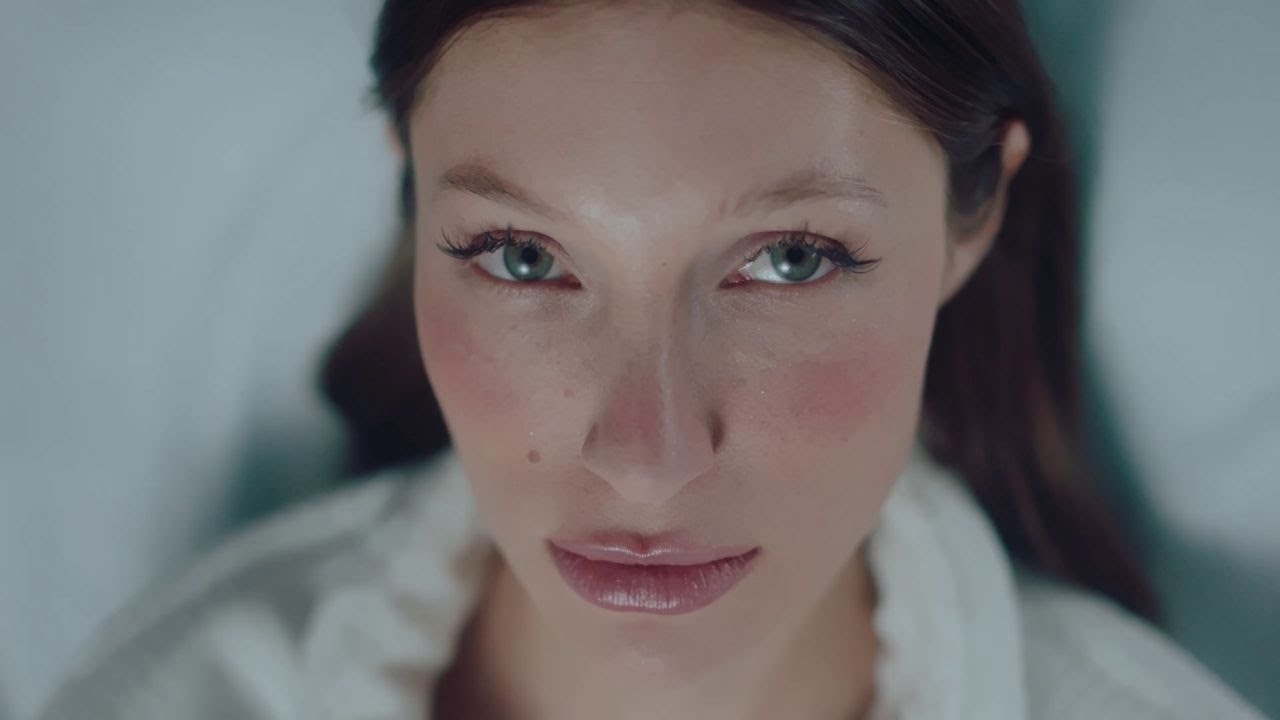
Look straight ahead in good light. Compare the distance between your upper lid margin and the center of your pupil in each eye. If one side covers noticeably more iris, especially if you see a hooded fold that wasn’t there, you may have eyelid ptosis. If both lids look similar, yet your eyebrows sit lower or feel weighted, you’re likely dealing with brow heaviness. If only the tail of one brow seems lower, you might have a lateral brow drop from over-treating the outer frontalis.
A quick functional test helps. Try to raise your brows. If the brows barely rise and your forehead stays smooth everywhere, you likely have over-relaxed the elevator, causing heaviness. If the brows lift, but one eyelid still looks lazy and covers the pupil more, the levator is involved. The timing matters too. Eyelid ptosis often shows up within 3 to 7 days of injection, then eases as the toxin effect wanes. Mild heaviness may peak around day 5 to 10 and then feels more normal as your brain adapts to the new muscle balance.
When droop is a setup problem, not a reaction
Pre-treatment anatomy predicts outcomes. Someone with naturally low-set brows, thick forehead skin, or strong orbicularis oculi will need careful “botox placement” and tailored botox dosing to preserve lift. In those cases, a “low dose botox” or “botox subtle enhancement” strategy works best, focusing more on the frown complex than the mid-forehead and leaving enough frontalis fibers active, especially laterally, to keep the brow arch. Beginners seeking “botox for aging prevention” also do better with a conservative first pass, then a “botox refresher” adjustment at two weeks.
I also ask about lid history: prior eyelid surgery, chronic contact lens wear, or eye rubbing can affect the levator. Someone who rubs their eyes after injections or naps face-down immediately afterward is at higher risk of diffusion. Simple “botox comfort techniques” that avoid post-treatment manipulation make a difference.
What to do if you suspect eyelid ptosis
If the lid margin covers more of the pupil than before and it worsens when you are tired, call your injector. There is no reversal agent for botulinum toxin, but we do have a reliable crutch: an alpha-adrenergic eye drop that activates Müller's muscle to lift the upper lid 1 to 3 millimeters temporarily. Your provider might prescribe a short course after confirming you have true ptosis. Relief is fast, often within 15 minutes of each dose, with a temporary lift that wears off in hours. It does not change the underlying Botox; it simply recruits a helper muscle until the effect fades in weeks.
I also counsel patience. Most eyelid ptosis from cosmetic Botox softens as early as week three and is largely resolved by week six to eight. During that window, we avoid adding toxin around the brow, since further weakening can worsen the problem. If, however, your brow tails are elevating too much while the center looks heavy, a careful micro-dose laterally can rebalance the look, but only under experienced hands using “botox precision injections.”
The small print on safety and what counts as an emergency
Botulinum toxin used cosmetically is incredibly safe in trained hands. A “botox bad reaction” usually means a bruise, headache, or tightness for a few days. A “botox allergic reaction” is rare to the point I can count the cases I have personally seen on one hand across many years. Signs that you should seek medical guidance quickly include double vision, difficulty swallowing, or generalized weakness. Those systemic effects are extraordinarily uncommon with cosmetic doses, but any concerning neurologic symptom deserves urgent evaluation.
For isolated eyelid droop without other symptoms, it is a nuisance and a cosmetic concern rather than a danger. Still, your provider should document it, manage comfort, and adjust your “botox injection strategy” Cornelius botox for next time so it does not recur.
The role of technique, mapping, and artistry
Skill is not only about where to place dots. It is about reading a face at rest and in motion. “Botox facial mapping” or a “botox contour map” helps practitioners see how your frontalis pulls in different zones. Some people lift most from the center, others from the tails. Injecting the central forehead in a heavy-brow patient can flatten the entire expression. In contrast, preserving a small strip of active frontalis above the brow line maintains a subtle lift, especially important for women who prefer an open eye and for men who need brow neutrality.
The glabellar complex also matters. Strong corrugators and procerus muscles can push brows down and in. Treating them correctly can paradoxically improve openness. If your provider under-treats the frown and over-treats the forehead, you get that “botox heavy brows” sensation. This is why “certified botox injector” status and “botox specialist training” are not just marketing. They reflect time spent learning how variations in “botox needle size,” injection angle, and depth change diffusion, and how to avoid “botox injection mistakes” that cause avoidable drops.
Can Botox migrate on its own?
The product does not roam, but it can diffuse a few millimeters depending on dose, dilution, and tissue characteristics. Aggressive massage, laying face-down immediately after, or applying heavy pressure from tight hats and goggles can push it where it does not belong in the first few hours. I advise patients to keep hands off the area for the day, sleep on their back the first night, and avoid intense exercise for 24 hours. That simple “botox safety protocol” reduces the chance of unwanted spread.
What if it is asymmetrical?
Faces are never perfectly symmetric. Pre-existing differences show up more after relaxation because the stronger side often wins the tug-of-war. “Correcting botox asymmetry” usually involves tiny calibrations. A micro-dose above the higher brow can lower it slightly, or we can support the https://www.linkedin.com/company/allure-medical-spa/ weaker side with a carefully placed frown-line injection to de-weight that brow. Timing is everything. I recheck at two weeks, treat conservatively, and set expectations that absolute mirror symmetry is rare. When asymmetry comes from a true eyelid ptosis, the playbook changes: use a lifting drop and wait; do not chase it with more toxin.
Why some people think their Botox “went wrong” when it did not
Two phenomena cause worry in the first week: frontalis fatigue and habit change. If you routinely lifted your brows to keep your lids open, relaxing the forehead will feel jarring. Your brain adapts within days, and that heavy sensation improves. The second is muscle memory. You may still try to scowl or lift, recruiting other muscles and creating new lines elsewhere, like bunny lines on the nose. These patterns settle once your face learns new movement limits. I spell this out during the “botox consultation checklist” so the “botox expectations vs reality” gap stays narrow.
Rare but real: resistance and why Botox sometimes stops working
“Botox immune resistance” is uncommon but exists, particularly in patients who receive high doses frequently. The immune system may build neutralizing antibodies, leading to “why botox stops working” scenarios. If your results fade too quickly despite proper dosing and placement, your injector might suggest “switching from Botox to Dysport” or another brand with different protein accessories and potential variability in immunogenicity. Often, spacing treatments appropriately and avoiding unnecessary touch-ups reduces risk. For most cosmetic patients, long term botox use remains effective and safe without tolerance if dosing is modest and intervals are respected.
Comfort, equipment, and the small choices that add up
Patients ask, does botox hurt? Most describe it as brief pinches. Using a fine “botox needle size,” fresh needles for fewer passes, topical “botox numbing” when needed, and slow, steady hands help. Syringe choice affects control. Some injectors prefer insulin syringes with fixed ultra-fine needles for precise micro-doses, others use standard luer-lock syringes for ease of switching. What matters is consistent technique that prevents blebs too close to the orbital rim, one of the risk points for eyelid droop.
How to prevent droop next time
If you have experienced droop, prevention becomes a joint project. Your injector should adjust “botox placement,” avoid low central forehead points, reduce total forehead units, and emphasize the glabella to counter downward pull. You might benefit from “low dose botox” with targeted points, rather than a blanket forehead freeze. If your brow sits naturally low, we preserve more lateral frontalis. If you love a soft, arched brow, the injector may skip a couple of lateral injection points entirely. Documenting your individual map, essentially a personalized “custom botox” plan, turns one bad week into a better, more predictable experience.
Makeup, skincare, and daily habits during recovery
If you develop eyelid ptosis, makeup artists can help conceal asymmetry with liner and shadow placement that creates faux lift, though keep product out of the eye if using prescription drops. “Botox and makeup” play well together after a few hours, but I recommend waiting until the tiny injection points close, usually 4 to 6 hours, to lower infection risk. As for skincare, gentle moisturizers keep skin comfortable. Post-treatment, choose fragrance-free hydrators, and make “best sunscreen after botox” a daily rule since UV damage makes you chase lines faster. Sunscreen does not affect Botox, but it preserves skin quality so you can maintain lower doses over time.
Planning around life events
If you have a wedding or photos, get your “photo ready botox” 4 to 6 weeks before. That timing covers the full onset and leaves a buffer to address any “botox eyebrow droop fix” needs. For “pre-event botox,” two weeks is the bare minimum for safe assessment. A “botox timing for events” misstep is cramming injections within days of travel, big meetings, or shoots. Build the schedule into your “botox maintenance plan.” Seasonally, some patients prefer “holiday botox prep” in November, others in spring before outdoor social calendars kick in. The “best time to get botox” is when you have a quiet week to settle without pressure.
Maintenance without overdoing it
How often Botox depends on your metabolism, dose, and goals. Most return every 3 to 4 months. Some stretch to 5 or 6 with a “tailored botox dosing” strategy and “botox longevity tips,” like limiting intense sun exposure and avoiding nicotine. There are no proven “botox retention boosters” in a bottle. What helps most is consistent scheduling and supporting skin health with retinoids, antioxidants, and diligent sunscreen. If budget or time changes, “stopping botox” does not cause a rebound worse than baseline. Your lines gradually return to where they would have been without treatment. Those who used Botox for years often notice a softer set of expressions even after pausing, likely from long-term muscle training rather than a permanent toxin effect.
When to question the plan, and what to ask at your next visit
A thoughtful consultation protects you from most droop scenarios. Bring photos of how your brows look animated and at rest. Speak up if you rely on your forehead to keep your lids open late in the day. Share any history of eyelid surgery, dry eyes, or contact lens wear. Be clear about “botox aesthetic goals” such as a “botox subtle lift” rather than a flat forehead.
Here is a compact checklist you can keep on your phone for appointments:
- Where will you avoid injecting to preserve my brow lift, given my anatomy? If heaviness happens, what is your “botox eyebrow droop fix” approach and timeline? How do you map my forehead movement before deciding on “botox placement”? What aftercare should I follow to reduce diffusion risk near the lids? If I develop “botox asymmetry,” when do you prefer to reassess and adjust?
A brief case from practice
A patient in her mid 40s with mild hooding wanted a “botox skin refresh” without losing brow lift. She had previously experienced a mild eyelid ptosis elsewhere. We used a conservative, custom map: full treatment to the glabella, skipped the lowest central forehead points, and placed tiny lateral units high to maintain the arch. She avoided rubbing, slept on her back, and returned at two weeks for a small tweak to the right lateral forehead. No droop, good openness, and a “botox natural finish” that lasted close to four months. The difference was not the product, it was the plan.
Understanding risks to get better results
Droop is not a mystery, it is a mechanical outcome of muscles, dose, and diffusion. Choosing an experienced provider who values “botox injection safety,” comfort, and precision is the biggest lever you control. As a patient, avoid pressure, hats, and heavy workouts that first day. Give the process a full two weeks before judging. If you notice a true eyelid ptosis, ask about drops and expect steady improvement over several weeks. If you disliked the heaviness, request a higher, lighter forehead plan next time. Over several sessions, most patients land on a “personalized botox” pattern that keeps eyes open, lines soft, and expressions authentic.
A word on learning and long-term planning
If you are new, start as a “beginner botox” patient with modest units, then layer results. If you are experienced but curious about “micro botox” for skin texture or “botox for large pores,” be clear that these approaches target superficial sweat glands and fine lines, not brow lift. They should be kept away from the orbital rim if you are droop-prone. As you weigh “why choose botox” versus alternatives, remember that a filler or device does not replace how targeted neuromodulation sculpts movement. That is the essence of “botox artistry” and “botox sculpting,” using subtle weakening to shape rather than freeze.
If one day you pause treatment, “what happens when you stop botox” is straightforward. The drug wears off, muscles regain strength, expressions return, and skin creases like it would have without it. Proper skincare keeps you looking rested regardless. Pair a thoughtful “botox skincare routine” with consistent sunscreen and the “best moisturizers after botox” you enjoy using. Quality habits outlast any injection.
The bottom line on eyelid droop
Mild heaviness early on happens, especially when you are new or when dosing shifts. True eyelid ptosis is not typical and relates to diffusion or overly low forehead treatment. It is manageable with time and, if needed, lifting drops. The best prevention is a careful map, conservative dosing near the brow, and clear communication about how you use your forehead to open your eyes. When Botox is placed with intent, it delivers a “botox youthful look” with a “botox subtle lift,” not a sleepy gaze. The difference shows up in the mirror and in how confidently you book your next session.
📍 Location: Cornelius, NC
📞 Phone: +17048003757
🌐 Follow us: